





















The US Built a Blueprint to Avoid Civilian War Casualties. Trump Officials Scrapped It.

This story was originally published by ProPublica.
Images from the missile strike in southern Iran were more horrifying than any of the case studies Air Force combat veteran Wes J. Bryant had pored over in his mission to overhaul how the U.S. military safeguards civilian life.
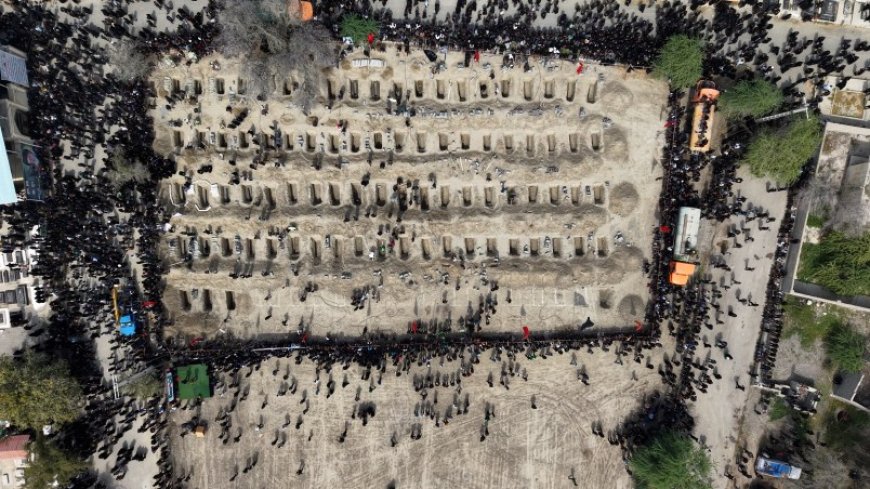
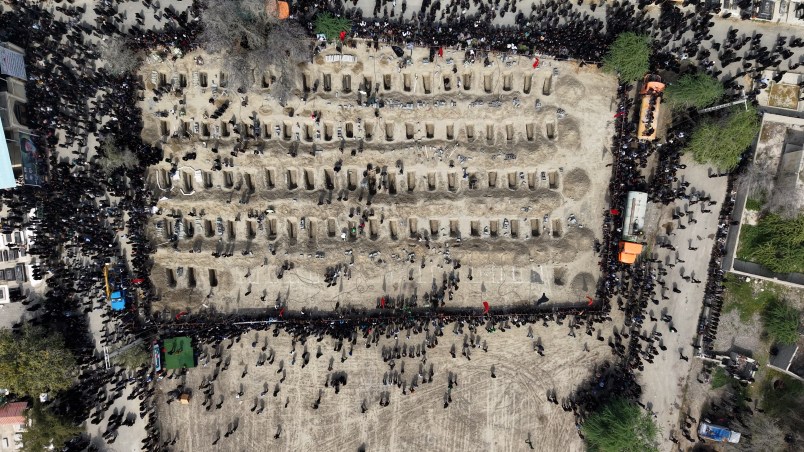
Parents wept over their children’s bodies. Crushed desks and blood-stained backpacks poked through the rubble. The death toll from the attack on an elementary school in Minab climbed past 165, most of them under age 12, with nearly 100 others wounded, according to Iranian health officials. Photos of small coffins and rows of fresh graves went viral, a devastating emblem of Day 1 in the open-ended U.S.-Israeli war in Iran.
Bryant, a former special operations targeting specialist, said he couldn’t help but think of what-ifs as he monitored fallout from the Feb. 28 attack.
Just over a year ago, he had been a senior adviser in an ambitious new Defense Department program aimed at reducing civilian harm during operations. Finally, Bryant said, the military was getting serious about reforms. He worked out of a newly opened Civilian Protection Center of Excellence, where his supervisor was a veteran strike-team targeter who had served as a United Nations war crimes investigator.
Today, that momentum is gone. Bryant was forced out of government in cuts last spring. The civilian protection mission was dissolved as Defense Secretary Pete Hegseth made “lethality” a top priority. And the world has witnessed a tragedy in Minab that, if U.S. responsibility is confirmed, would be the most civilians killed by the military in a single attack in decades.
Dismantling the fledgling harm-reduction effort, defense analysts say, is among several ways the Trump administration has reorganized national security around two principles: more aggression, less accountability.
What's Your Reaction?
 Like
0
Like
0
 Dislike
0
Dislike
0
 Love
0
Love
0
 Funny
0
Funny
0
 Angry
0
Angry
0
 Sad
0
Sad
0
 Wow
0
Wow
0