






























Following Artemis II’s Journey Around the Moon

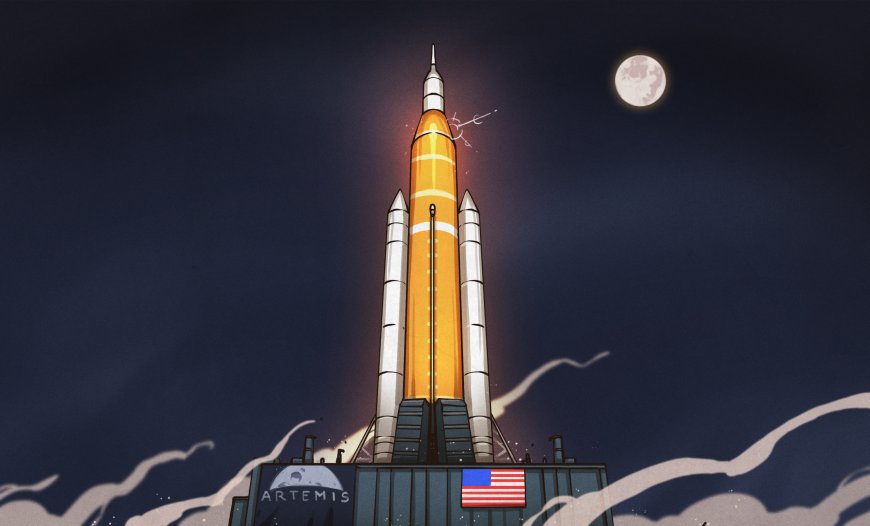
NASA is going back to the Moon! We’ll follow the crew of Artemis II every step of the way.
Day 1 – Liftoff!
After resolving a last-minute communications issue with the Flight Termination System (FTS), the Artemis II Space Launch System (SLS) rocket lifted off from Launch Complex 39B at NASA’s Kennedy Space Center in Florida at 6:35 PM EDT.
Main engine cutoff (MECO) for the SLS rocket occurred at 6:43 PM, placing the Orion spacecraft and crew members Reid Wiseman, Victor Glover, Christina Koch, and Jeremy Hansen safely into orbit around the Earth. Just before 7:00 PM, all four solar array “wings” were successfully deployed from the European Service Module.
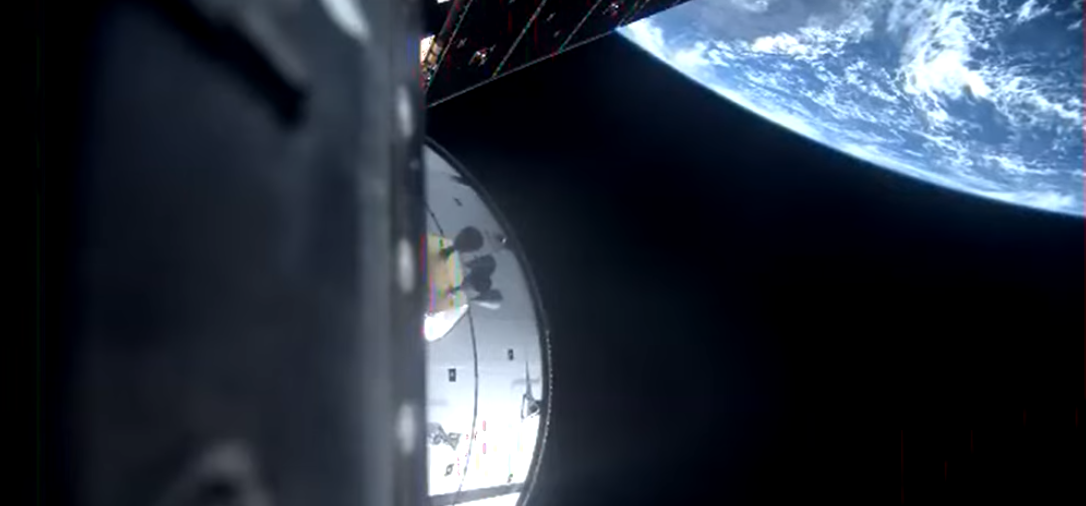
The perigee and apogee raise maneuvers were completed as scheduled — two burns by the RL10 engine on the interim cryogenic propulsion stage (ICPS) lifted the Orion spacecraft to a higher orbit, and put it in position for the eventual trans-lunar injection (TLI) burn which will put the vehicle on course for the Moon.
Between the execution of these two maneuvers, audio and video communication with the Orion spacecraft was briefly lost. Mission Control was still able to receive the telemetry downlink from the vehicle during this period, and was able to determine the spacecraft was operating normally. The cause of the communication glitch is still being investigated, but according to statements from NASA Administrator Jared Isaacman during the post-launch press conference, engineers do not believe it to be a critical issue.
Day 1 – Proximity Operations Demo
Following the separation of the ICPS, the Artemis II crew performed the Proximity Operations Demonstration.
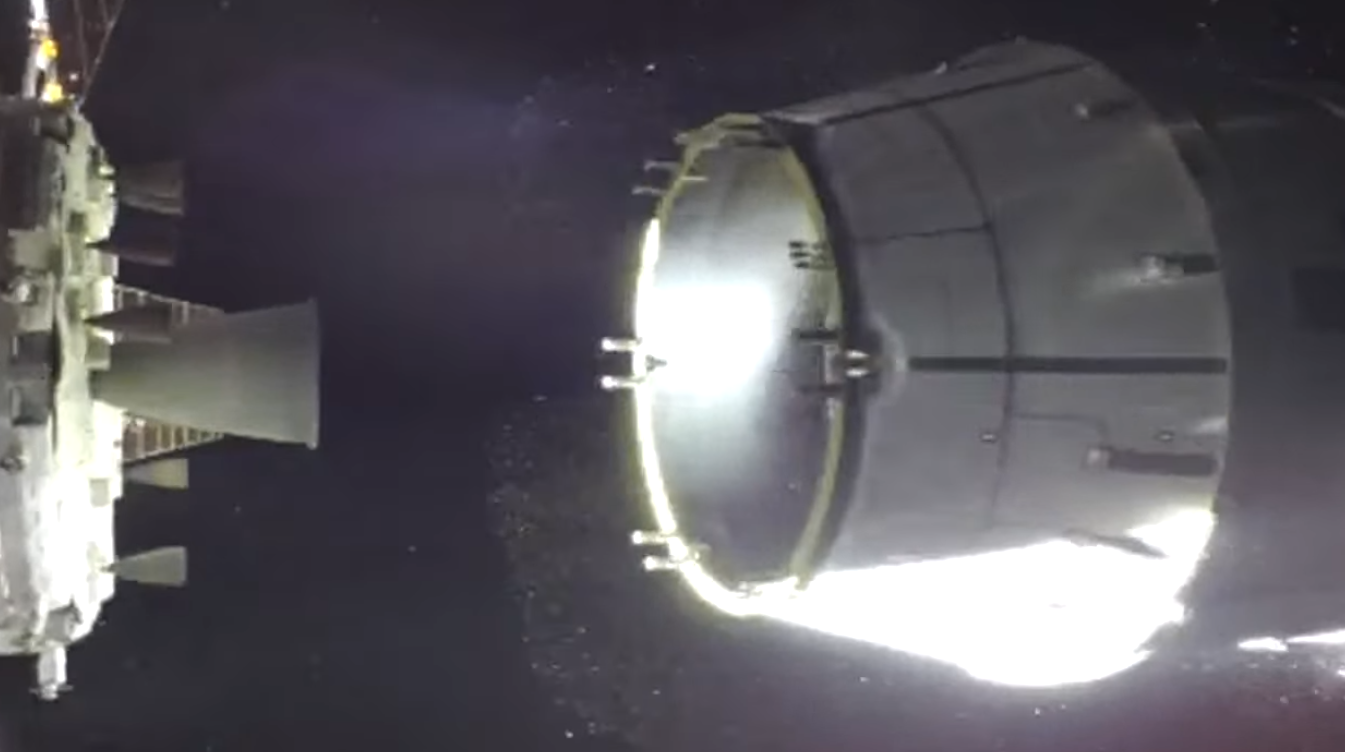
Pilot Victor Glover took manual control of the Orion spacecraft, and performed a 180 degree turn to face the discarded ICPS. While flying the Orion, he told Mission Control that the vehicle’s real-world performance was better than in the simulator, and specifically commented on the accuracy of the controls and the clarity of the camera system.
The crew reported a rumbling sensation coming from the Service Module, and were advised by Mission Control that they were feeling expected thruster firings. They noted that crews on both the Soyuz and Dragon spacecraft have reported similar experiences.
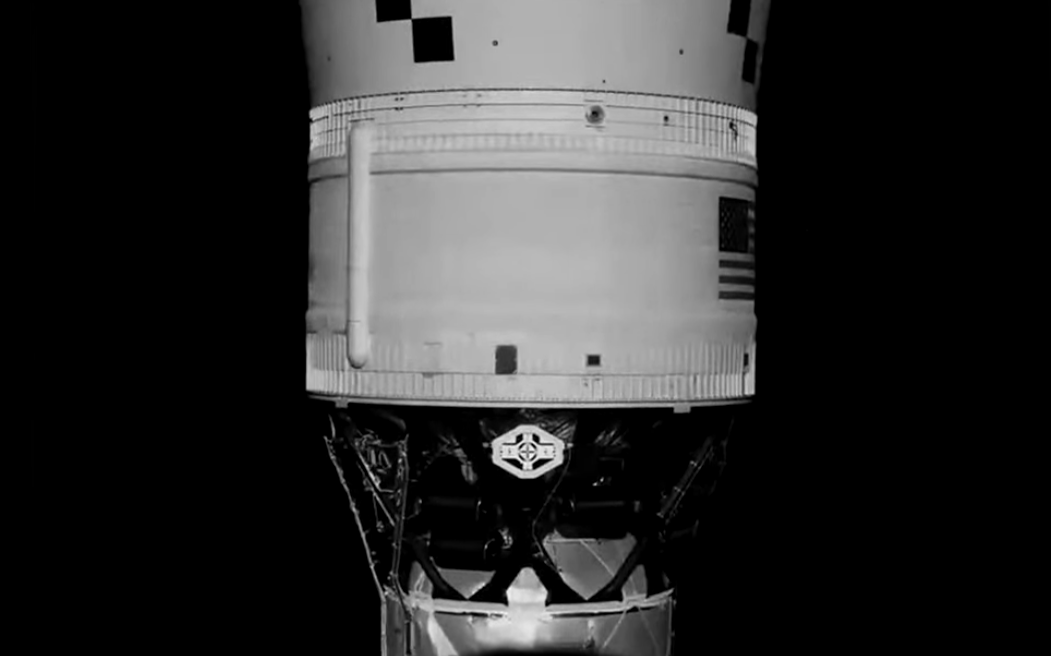
Glover spent slightly more than an hour at the controls of the Orion spacecraft, before finally backing away from the spent ICPS and returning the vehicle to automatic control. Once the Orion was a safe distance away, the ICPS performed its own disposal burn which put it on target to reenter the Earth’s atmosphere over the Pacific Ocean.
Day 2 – Trans-Lunar Injection
After a rest period, the crew’s primary objective for day two of the mission will be to complete the trans-lunar injection burn. As the Orion will be flying on a free return trajectory, this burn simultaneously puts Orion on course for a rendezvous with the Moon on day five and also sets it up to come back to Earth on day ten.
NASA Live Streams
What's Your Reaction?
 Like
0
Like
0
 Dislike
0
Dislike
0
 Love
0
Love
0
 Funny
0
Funny
0
 Angry
0
Angry
0
 Sad
0
Sad
0
 Wow
0
Wow
0